Five Lessons You Can Learn From Repair Upvc Door
How to Repair a uPVC Door Lock Over time, dirt can build up in a lock and make it difficult to turn. This can also cause the mechanism to slide out of alignment with the strike plate or the door frame. Preventing this can be done by regularly making sure your lock is lubricated and addressing minor problems when they arise. If the issue persists you should call an expert locksmith. Clean the Lock 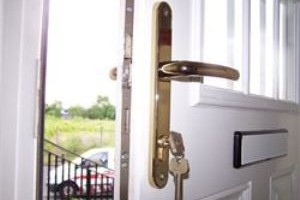 Make sure your lock is clean. This will help the lock work more efficiently. If dust or dirt accumulates within the lock, this can cause it to become stiff and stuck. This can be avoided by regularly cleaning the lock using a soft bristle brush. Weather Changes Changes in weather conditions can affect the internal components of your upvc door lock. Temperature changes can cause the metal parts to expand or contract. This can result in misalignment. upvc windows and doors repairs is therefore crucial to align the frame and lock correctly. If your lock is susceptible to jamming, you can try applying lubricant to loosen it up. This usually allows the key to open and close easily and smoothly. If this doesn't work it may be necessary to replace the internal parts of the lock. It is also recommended to inspect the rubber seals around the frame and door to see if they are worn out. If the seals have worn out, they may let drafts in to your home and make it more cold. Replacing the seals will aid in resolving this issue and make sure that your upvc door is airtight. When the handle starts shaking, it's a sign that you need to replace your Upvc lock. This can be annoying and make it difficult to close the door. It's also a sign the mechanism is failing. If your uPVC multipoint door lock doesn't work, you must locate a replacement that matches your original uPVC doors. Check the brand and name of the original manufacturer on the faceplate to ensure a perfect match. Once you've found a suitable replacement, it is time to start the process of installing it. First, you will need to remove the old cylinder from the door. To do this, you will require a screwdriver and Hammer. Once the screws are removed then you'll be capable of removing the lock mechanism from the door. Replace it with a brand new one. To ensure the new lock is secured by tightening the screws at the top and bottom. Weather Changes One of the most common issues during winter is the uPVC door that won't lock properly. There are steps you can take to solve this issue and ensure your home's security. This can be caused by the accumulation of dirt or dust inside the lock mechanism. This could cause the lock to not operate smoothly, especially if you do not clean it regularly. Spray the lock with lubricant made of silicone and then insert and remove the keys several times to ensure it's working. It is essential to avoid using WD-40 as the oil residue could damage the lock. Cold weather can cause uPVC to shrink slightly or even warp, which could put pressure on the locking mechanisms. This could make it difficult to open and close the door, or could even block the lock completely. You can avoid this by checking your uPVC doors regularly and making adjustments to relieve pressure. It is important to warm the door before locking it. This will enable the uPVC to expand and make it easier to lock or unlock the door. It is also possible to use an oil-based lubricant during cold weather to prevent the lock from becoming stiff or freezing. If none of the solutions above work, call a professional. They'll have the tools and expertise to take apart your uPVC doors, clean any debris or dirt, and relubricate your lock mechanisms. They can also diagnose any issues and resolve them efficiently, ensuring that your uPVC door locks are working optimally. By following these easy steps, you can ensure your uPVC doors are functioning well and are preventing burglaries. If you're experiencing serious problems or are unsure how to fix the problem call an expert. They have the expertise and tools to identify and resolve a wide range of problems with the locking mechanism on uPVC doors such as misalignment, damaged handles locks, cylinders for locks, and multipoint locks. They can also repair or replace the locks, if needed. This will secure your home and give you peace of peace of. Handles and Levers that have worn-out Over time, door knobs and handles can lose their shape or loosen. They may even be able to fall off. This can be a security issue and make it difficult to open the door. This indicates it's likely that it's time to replace or repair them. First, take off any screws or fasteners holding the knob or handle in place. These may be hidden behind an attractive plate or cover that you can easily pull off with the help of a screwdriver. Once the hardware is removed you will need to disassemble the knob or handle. This process is usually very simple, however it may depend on the type of mechanism being used. Some uPVC handles are exposed set screws, while others are hidden behind a faceplate. These are more difficult to take apart, and more likely to break over time. It is important to determine if the loose handle or doorknob was caused by the wrong alignment. This can be done by carefully turning the handle to see if it moves. If it moves, the handle is not aligned with the spindle shaft or the detent holes of the door handle assembly (if you have set screws that are exposed). This is likely due to wear and tear, therefore you'll need to re-align the handle or doorknob. The handle and backplate to be aligned properly if it is a lever-on-backplate handle. To adjust the handle for an ideal fit, you'll need the set screw to be released and then the handle moved either up or down the shaft. It is also advisable to examine the latch to see whether it's loosened or stuck. If it's locked, spray lubricant inside the lock to loosen. If it's an old-fashioned lock with lugs, you'll require an extractor for keys or a similar tool to extract any broken pieces which may be clogging the lugs. This is typically a sign of something more serious and will require a professional Locksmith to investigate further. Misalignment If the door lock is difficult to turn, it could be dirt or debris trapped in the mechanism. Using a can of compressed air to blow the lock cylinder should help clear the obstruction. If this does not solve the issue, it could be necessary to manually align the mechanism. This can be done by loosening the screws on the strike plate and then moving the strike plate upwards or downwards. Make sure you test the key by opening the door before re-tightening the screws. You can also apply an oil-based silicone to the mechanism to reduce friction and make it easier to turn. Over time, uPVC doors can become misaligned with the frame and result in locking points that do not work properly. This is particularly true with multipoint lock systems that utilize multiple moving parts that are set in different apertures along the length and width of the frame and door. It is possible to correct the misalignment by changing the hinges on the frame and door. Check the gaps around your uPVC doors to determine if they're aligned. The gaps should be evenly on all sides. You can adjust the hinges if not aligned by adjusting them to move them to the left, upwards or down. Be cautious not to adjust the hinges or the door will not longer shut. Another problem with uPVC lock is that they may become stiff or jammed, which requires force to open or lock. In these situations it is recommended to consult an expert. They'll be able determine the problem and resolve it promptly. This will ensure the security of your home, while avoiding expensive and unnecessary repairs. Locks that are stiff or jammed can be a nuisance and affect your home's security. If you're experiencing difficulty opening or locking your uPVC door, it's important to address the issue immediately. A professional locksmith can quickly and easily fix the issue and avoid further damage on your uPVC door and home. Your Local Locksmith can provide you with more information about uPVC locks repair services. We'll be delighted to answer any questions you may have and give you a free estimate for your next project.